
Top 10 Back-to-School Tips for Parents and Teachers


The back-to-school season brings a mix of excitement and challenges for both parents and teachers, but it doesn’t have to be overwhelming. With the right strategies in place, you can set a positive tone for the academic year and help children thrive.
Whether you’re managing a classroom or supporting kids at home, these back to school tips focus on creating structure, fostering engagement, and maintaining balance.

Here’s how parents and teachers can work together to make this school year smooth and successful!
Make Instructions Clear and Easy to Follow
Kids perform best when they know exactly what’s expected of them. If you’re a teacher, write instructions on the board and review them verbally with the class. Encourage students to make their own notes or checklists to stay on track.
For parents, help your child review their homework tasks by asking them to explain in their own words what needs to be done. Clarity eliminates confusion and supports the timely completion of assignments.
Pro Tip:
Ask students to repeat back instructions—they’ll retain information better and avoid misunderstandings.
This post contains affiliate links, which means I earn a commission when anything is bought. This is at no additional cost to you.
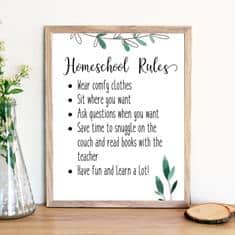
Shop My Homeschool Room:
The following homeschool picks of mine can be found on Etsy. Simply click the image that interests you – yes, they do contain affiliate links.



Set Realistic Workloads and Allow Time for Breaks
Working too much in one sitting can lead to frustration and a loss of focus. Teachers should tailor assignments to the available time and prioritize hands-on, interactive activities, especially in the mornings when students are more energized.
Parents can support their kids by helping them manage homework in smaller, achievable chunks, and ensuring breaks for snacks or physical activity.
Quick Idea:
Introduce 10-minute movement breaks or mindfulness exercises during long study sessions to recharge focus.
Ensure Supplies are Organized and Accessible
A lack of supplies can disrupt concentration. Teachers can prepare shared or individual supply kits, grouping all essentials, such as pencils, erasers, and scissors, in one location.
Parents should double-check that children have a fully stocked backpack and a designated homework space with all necessary tools.
Bonus Hack:
Use labeled bins or pouches to color-code and organize items by subject or type. This makes finding materials faster and keeps the workspace tidy.


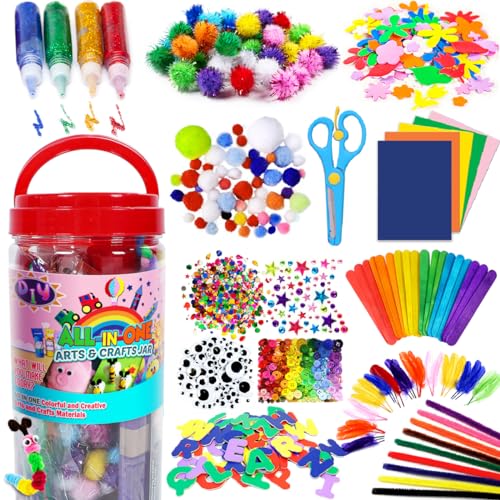

Provide Options for Early Finishers
Not all children work at the same pace. For teachers, having quiet, constructive activities—like puzzles or reading challenges—ready for early finishers prevents distractions while promoting productive engagement.
Parents could mirror this approach by encouraging children to pursue a creative hobby, like drawing or coding, when homework is completed ahead of schedule.
Support Active Learners with Flexible Seating
Some students simply can’t sit still for long. For fidgety kids, consider flexible seating options, such as yoga balls or wobble cushions, which allow for movement without being disruptive. Teachers can create designated “focus zones” in the classroom for these learners, reminding kids that it’s a resource, not a punishment.
Parents can encourage similar strategies at home by incorporating tools like stress balls or desk bikes.


Encourage Teamwork Through Strategic Pairing
Collaborative learning can enhance focus and understanding, so pair students intentionally. Mixing strong learners with those who need extra support fosters peer tutoring and accountability.
Parents might consider setting up playdates or group study sessions to build collaboration skills in a relaxed setting.
Would you like to save this?
Thought Starter:
When pairing students, alternate partners frequently so everyone gains exposure to different working styles.
Adopt Positive Language and Reinforcement
Focus on what children can do, not what they shouldn’t do. Positive reinforcement builds confidence and motivation, making kids more likely to engage with their work.
For instance, instead of saying, “Don’t slack off like yesterday,” try, “I’m excited to see how much you’ll accomplish today!” A little encouragement can make a big difference.
Idea for Teachers and Parents:
Create a “word wall” with uplifting quotes or phrases for daily inspiration.
Introduce a Points-Based Reward System
Students often need external motivation to develop internal drive. Teachers can use point systems to reward good behavior, completed assignments, or teamwork.
Parents can extend similar systems at home by offering rewards such as extra screen time, a small treat, or a family outing.
How-To:
Download free printable charts for tracking points and achievements—easy to use at home or in the classroom.


Use Timers for Better Time Management
Time management can be tricky for kids. Using a timer helps them focus on completing tasks within a set period while reducing procrastination.
Teachers can use large classroom clocks or digital timers, while parents might install apps to help kids track their study habits.
Fun Tip:
Turn it into a game—challenge kids to beat the clock for a small prize or sticker.
Monitor and Engage Frequently
Teachers and parents alike should regularly check on progress. For teachers, walking around the room to observe and assist ensures students stay on task.
Parents can take a similar approach at home by casually dropping in to offer help or encouragement. Active monitoring signals to children that their work matters and that they are supported.
Quick Win:
Use progress review sessions at the end of each week to celebrate accomplishments and address any challenges that have arisen.
Preparing kids for school success isn’t just about enforcing routines—it’s about equipping them with the tools, environment, and encouragement to thrive. By implementing these tips, parents and teachers can create a structured yet flexible system that benefits everyone involved.

Frequently Asked Questions (FAQ)
Fal Printables


Back to School Resources:
- Over 50 Back to School Lunch Ideas!
- Back to School Supplies List
- Back to School Motivational Quotes for Students
Preparing kids for school success isn’t just about enforcing routines—it’s about equipping them with the tools, environment, and encouragement to thrive. By implementing these tips, parents and teachers can create a structured yet flexible system that benefits everyone involved.
Remember, every small step counts in helping children achieve their potential—one day at a time!


Super helpful tips. Pinned!
Monica
It. History: The L
Another point that could add is to create the habit of the kids measure their progress and analyzed together.
Regards